Accueil
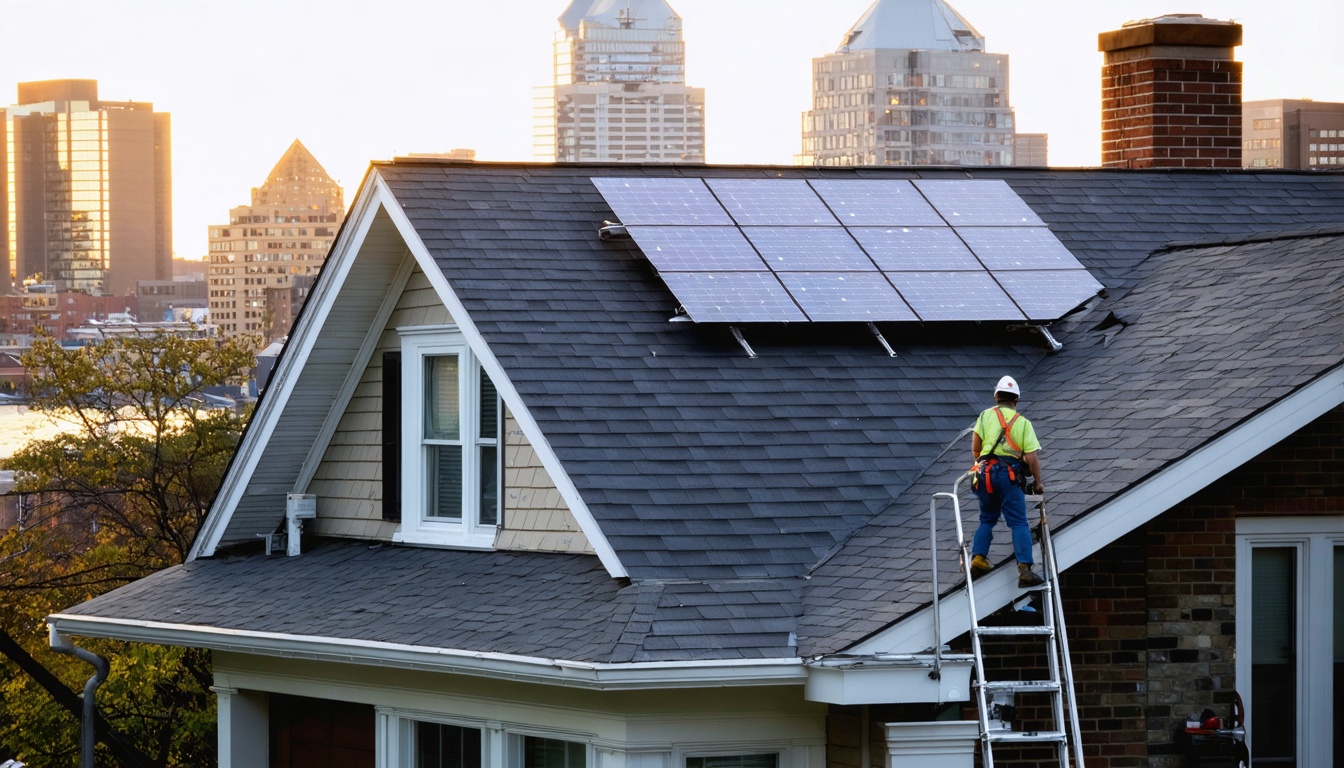
Solar Ready Roof Upgrades That Matter for Homes in Jersey City, New Jersey
When planning to install solar panels on your Jersey City home, it is essential to ensure that your roof is adequately prepared for solar integration. This involves various upgrades, such as reinforcing rafters and selecting suitable roofing materials, both of which can influence your home's overall value and energy expenditures over time. Local regulations in Jersey City may dictate specific requirements for solar installations, which can impact your project. It is advisable to consult with local authorities or a knowledgeable contractor to understand zoning laws, permitting needs, and any incentives available for solar energy adoption. Additionally, planning your upgrade wisely can lead to more efficient use of resources and potentially higher returns on investment. Consider factors such as roof orientation, shading from surrounding structures, and material compatibility with solar technologies. Ultimately, being informed about the financial implications—such as installation costs, tax credits, and energy savings—will help you make sensible decisions about investing in solar energy for your home. Adhering to these critical considerations can contribute positively to both your immediate housing situation and long-term utility expenses.
Assessing Roof Strength and Structural Integrity
Before installing solar panels on your home in Jersey City, it is important to assess your roof's ability to support the additional weight, which generally falls between 30 to 50 pounds per 100 square feet. Key factors to consider include the age, strength, and overall condition of your roof, as these elements play a significant role in determining both the safety of the installation and the effectiveness of the solar energy system. For specialized guidance on preparing your roof for solar integration, explore Solar Energy Solutions for detailed recommendations.
Engaging a local installer or a qualified specialist to conduct a comprehensive inspection of your roof is advisable. This assessment should adhere to the latest regulations and guidelines applicable in Jersey City, as such standards are subject to change. Ensuring compliance with New Jersey state and municipal requirements is essential for both optimal performance and safety.
A methodical approach to the installation process can facilitate energy savings and improve your home’s resilience against adverse weather. Additionally, utilizing available resources, such as a preparation guide, comparing installer costs, and obtaining free estimates, can aid in making informed decisions regarding the installation.
Addressing these considerations can help manage costs effectively and contribute to a reduction in carbon emissions, supporting broader environmental objectives.
Choosing Optimal Roofing Materials for Solar Installations
Choosing the right roofing material is an important factor for homeowners in Jersey City considering the installation of solar panels. The most compatible materials for solar installations are asphalt shingles, metal, and tile roofing. These options support the mounting of solar panels while also offering potential benefits such as lower maintenance costs and greater durability.
Metal roofing is often preferred by local installers due to its ability to withstand extreme weather, including storms and power outages. When used in conjunction with battery storage systems, metal roofs can further improve the reliability of solar energy systems.
Proper installation of these materials is essential, as it can significantly impact the efficiency and lifespan of the solar energy system.
Additionally, selecting appropriate roofing materials can contribute to reduced carbon emissions and lower electricity expenses over time. Homeowners are recommended to compare pricing and products from various installers to make educated decisions regarding their solar installations.
Free estimates are typically available, which can assist in assessing potential costs associated with both roofing and solar systems.
Planning for Panel Placement and Minimizing Shading
Evaluating the installation of solar panels on your home in Jersey City is important for optimizing energy production. The recommended orientation for solar panels is toward the south, as this orientation allows for maximum sunlight exposure and minimizes shading from nearby trees or buildings.
Research indicates that even minor shading can significantly reduce energy output, with some studies suggesting reductions of up to 80%.
A typical 5 kW solar installation is estimated to produce approximately 7,052 kWh annually, although actual output may vary based on local weather conditions and the angle of sunlight throughout the year. It is essential to assess these factors to ensure optimal performance.
When selecting an installer, it is advisable to compare pricing from multiple local providers. Obtaining free estimates can aid in making a more informed decision.
Furthermore, researching available tax credits and incentives may help reduce the overall cost of the system and increase potential savings. For additional guidance, refer to the relevant preparation materials on solar panel installation and optimization.
Enhancing Ventilation and Insulation for Energy Efficiency
Upgrading the ventilation and insulation of your roof is a fundamental approach to enhancing energy efficiency in residential buildings. While the installation of solar panels provides a tangible method for reducing electricity expenses, the overall performance of solar energy systems is significantly influenced by the conditions within the attic. Proper ventilation plays a critical role in managing temperature, thereby preventing excessive heat accumulation, while sufficient insulation reduces heat transfer between the attic and the living areas below.
In Jersey City, homeowners typically equipped with a solar capacity of around 5 kW can anticipate an annual energy output of approximately 7,052 kWh. This output is heavily dependent on the home's insulation and ventilation standards. By upgrading these features, homeowners can potentially decrease their energy usage, leading to lower monthly utility bills and a reduction in carbon emissions.
When contemplating these enhancements, it is essential to evaluate the pricing strategies of potential installers, as costs can differ significantly between contractors. Comparing quotes and assessing the qualifications of various professionals will help ensure a compromise between quality and cost.
Obtaining estimates from multiple contractors will provide a clearer picture of the financial investment required for improving energy efficiency, thus facilitating more informed decision-making.
Accounting for Roof Space and System Size Requirements
Determining the required roof space for a solar system that matches household electricity consumption is important for maximizing energy efficiency. In Jersey City, a typical homeowner might need around 572 square feet of roof area to support a 5 kW solar system, which is usually adequate for homes with an average consumption of approximately 573 kWh per month.
Installing such a system can contribute to reductions in electricity bills and carbon emissions.
Before installation, it is important to consider several factors that may affect the system's performance. These include roof orientation, shading from nearby structures or trees, and the overall condition of the roof.
Evaluating these elements is essential for ensuring optimal energy production from the solar panels.
Furthermore, obtaining quotes from local solar installers can help in making an informed decision about the installation process.
Reviewing resources such as the DataUtilitiesLinemenEmergency Prep Guide may assist in identifying reputable installers that align with your specific requirements.
Navigating Local Regulations and Permitting in Jersey City
When planning a solar installation in Jersey City, it is important to understand the local regulations and permitting requirements. The Office of City Planning requires that a permit be obtained prior to installing solar panels on residential properties.
It is necessary to prepare site plans and documentation that confirm compliance with Jersey City's zoning code, which regulates factors such as the size, height, and placement of the solar panels.
In addition to the permitting process, potential financial implications should be considered. While various states and utility companies may provide tax credit incentives, New Jersey’s local incentives are subject to specific guidelines that must be followed.
Consulting with experienced solar installers and local inspectors can aid in navigating these regulations. Utilizing resources such as a Prep Guide may help facilitate the permitting process and address any potential costs or delays.
Obtaining estimates from multiple installers can provide comparative pricing information, which can be beneficial for making informed decisions.
Having accurate data concerning installation requirements and available incentives is crucial for evaluating the economics of solar energy systems.
Conclusion
Upgrading your roof to be solar ready in Jersey City offers several practical benefits, including improved energy efficiency and potential increases in property value. To facilitate future solar panel installation, it is essential to assess the structural integrity of your roof. Using appropriate materials that meet local building codes can enhance the roof's durability and support the weight of solar panels. Shading is another critical factor to consider as it can impact solar energy production. A clear assessment of trees or nearby buildings that may obstruct sunlight can help optimize solar panel placement. Additionally, proper ventilation is necessary to maintain roof health and efficiency, as insufficient ventilation can lead to heat buildup, potentially damaging roofing materials. It is also important to be aware of local regulations that may govern solar installations. Compliance with Jersey City’s building codes and zoning laws is vital. Therefore, engaging with experienced contractors familiar with these requirements can streamline the upgrade process. This strategic planning not only positions your home for effective solar integration in the future but also aligns with broader sustainability goals.